Your Best Resource for Exploring Greater Toronto Property Market
Backed by market expertise and modern strategies, Macedo Real Estate Group delivers a personalized real estate experience with deep local knowledge.
Our dedicated agents help clients find their place in the world with integrity, discretion and a focus on results.

Macedo Real Estate Group: Elevating Luxury Real
Estate Experiences
━━━━━━━━
Since 1996, Macedo Real Estate Group at Royal LePage® Supreme Realty Brokerage, has been a trusted leader in luxury real estate, guiding discerning buyers and sellers through every phase of the property journey. With a wealth of expertise honed over three decades, Danny and his team combine deep market insight with an unwavering commitment to delivering a seamless, personalized experience.
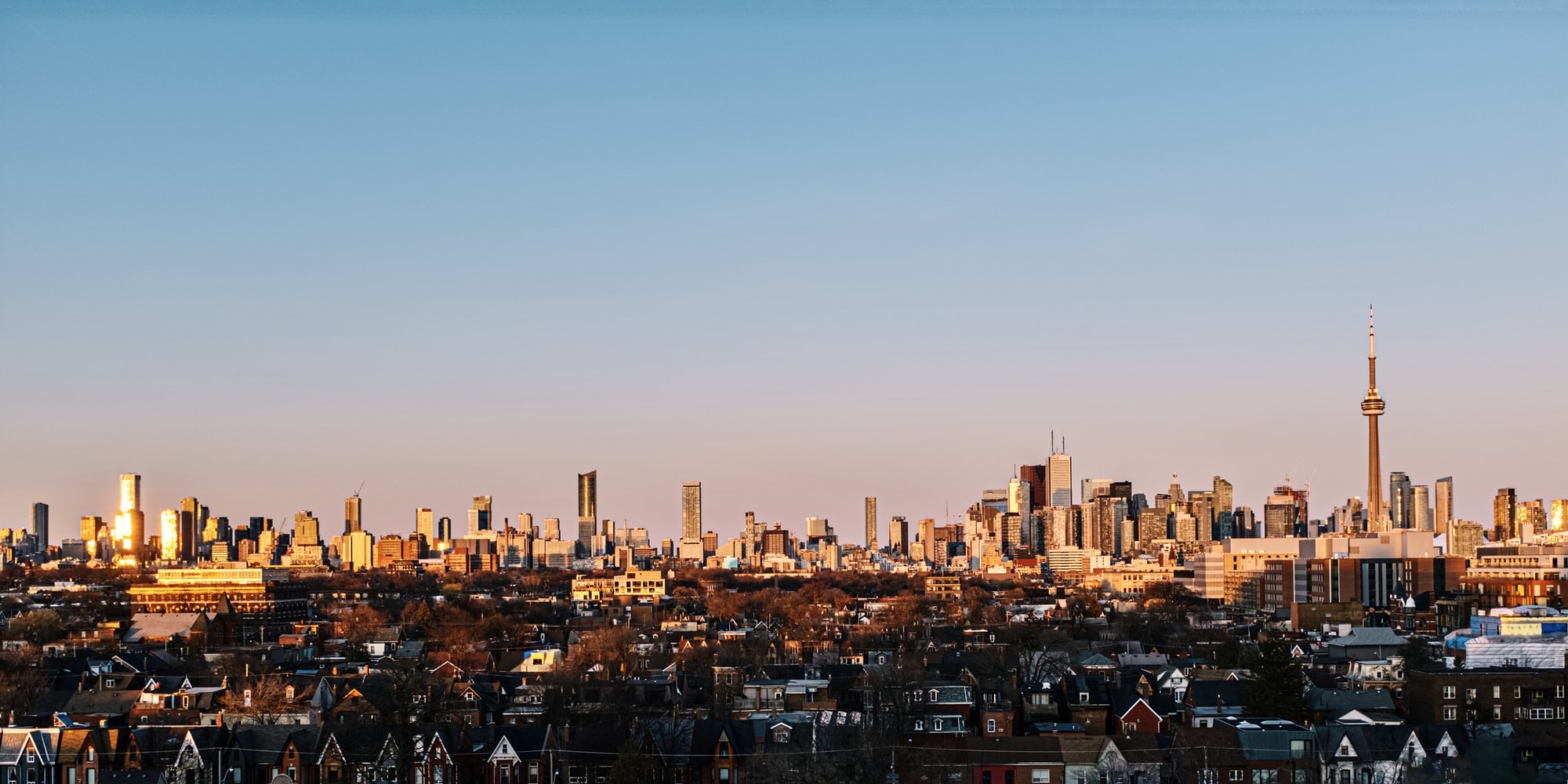
What Are You Looking To Do in Toronto?
Local Knowledge. Connected Reach.
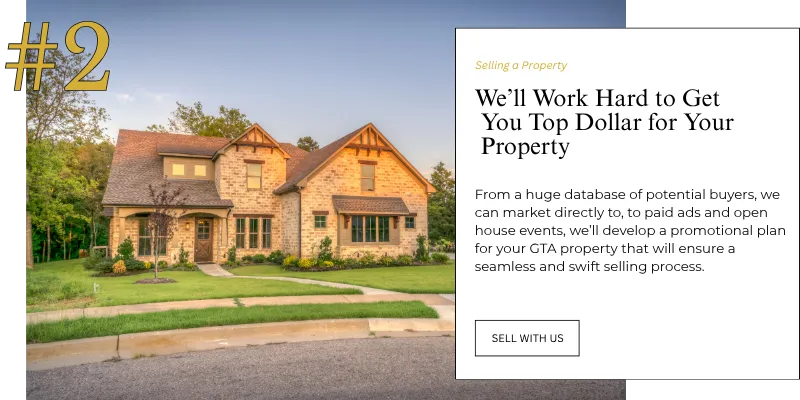
Our team knows your neighborhood inside and out, providing guidance you can trust at every step of your real estate journey. We take the time to understand your goals, whether you’re looking to buy your first home, sell your current property, or find your next investment. Using targeted marketing strategies, professional photography, and the latest digital tools, we ensure your property stands out in the market and reaches the right buyers. With a network of connections and a commitment to clear communication, we handle the details so you can move forward with confidence, knowing your home is in the hands of local experts who care about your success.
Remarkable Homes, Inspired Living
At Macedo Real Estate Group, we believe where you live shapes how you live. That’s why we carefully match clients with homes that fit their lifestyle, whether you’re seeking city energy, quiet neighborhood streets, or a place to grow your dreams. Our team pairs local expertise with personalized guidance, helping you find not just a property, but a space that reflects who you are and how you want to live.

Five Things Your Home Insurance Policy Probably Does Not Cover
Most homeowners have home insurance. Fewer have read their policy carefully enough to know what it does not cover. The gaps in that coverage are where the expensive surprises live.
Here are five common situations that a standard policy typically does not cover, and what you can do about each one.
Overland Flooding
Standard home insurance policies in Ontario typically cover sudden and accidental water damage from sources inside the home, such as a burst pipe or a failed appliance. What they generally do not cover is overland flooding, which is water that enters your home from outside as a result of heavy rainfall, snowmelt, or a river or lake overflowing its banks.
This is a significant gap in a region that experiences increasingly heavy rainstorms. Homes in low-lying areas, near ravines, or in older neighbourhoods with combined sewer systems are particularly exposed.
Some insurers now offer overland flood coverage as an add-on. The cost varies depending on your property's location and flood risk. If your property is in a known flood plain, this coverage may be expensive or unavailable. Ask your insurer whether it is included in your policy, and if not, what it would cost to add.
Sewer Backup
When the municipal sewer system becomes overwhelmed during heavy rain, sewage can back up through your basement drains and floor drains. The damage can be extensive, contaminating flooring, walls, stored belongings, and mechanical systems.
Most standard policies do not include sewer backup coverage. It is usually available as an endorsement, meaning you pay an additional premium. The cost is typically modest relative to the potential damage, and most insurance brokers recommend it for any home with a finished or partially finished basement.
If your home has a backwater valve installed, some insurers will reduce the cost of the endorsement. Some municipalities, including the City of Toronto, have offered subsidy programmes for backwater valve installation. Check with your municipality to see if a programme is currently available.
Gradual Damage and Lack of Maintenance
Home insurance covers sudden and accidental events. It does not cover damage that results from gradual deterioration or failure to maintain the property. If your roof has been leaking slowly for months and the ceiling eventually collapses, the insurer may decline the claim on the basis that the damage was foreseeable and preventable.
The same applies to slow plumbing leaks, foundation cracks that develop over time, mould from unaddressed moisture, and pest damage.
This is why routine maintenance is not just about preserving property value. It is also about keeping your insurance coverage intact. Document your maintenance, keep receipts from contractors, and address small problems before they become large ones. A record of regular upkeep supports your case if you do need to file a claim.
Home-Based Business Equipment and Liability
If you run a business from your home, your standard policy may not cover your business equipment, inventory, or liability. Most policies define business property separately from personal property. If a client visits your home office and is injured, or if business inventory is damaged in a fire, your homeowner's policy may not respond.
For a small home office, some insurers offer a home business endorsement that extends coverage to include a defined amount of business property and liability. For a larger operation, a separate commercial policy is usually required.
This applies to anyone who works from home, sees clients at home, or stores business inventory at home. If any of that describes you, ask your insurer specifically whether your business activities are covered.
Certain Types of Liability
Your homeowner's policy includes liability coverage, which protects you if someone is injured on your property and you are found at fault. That coverage has limits and exclusions that many homeowners do not think about until they need them.
Standard policies typically exclude liability arising from motorised vehicles, watercraft above a certain size, and certain breeds of dog. If you have a swimming pool, trampoline, or other feature that increases the risk of injury, your policy may require specific conditions, such as a locking fence around the pool, or may exclude related claims entirely.
If you rent out part of your home, whether to a long-term tenant or through a short-term rental platform, your standard policy may not cover liability related to the rental activity. Most policies are written for owner-occupied single-family use. If your use of the property has changed, your coverage may need to change with it.
What to Do Next
Pull out your current policy and read the exclusions section. If you do not have a copy, your insurer or broker can provide one.
Then ask your broker specifically about overland flood coverage, sewer backup coverage, whether gradual damage is excluded, whether your home business is covered, and whether your liability coverage matches the way you actually use your property.
Insurance feels abstract until you need it. When you need it, the specific words in your policy are the only thing that matters.
If you have questions about how insurance fits into the full cost of owning a home in the GTA, call me at 416-560-4983.

Royal LePage® Supreme Realty, Brokerage
110 Weston Road
Toronto, ON M6N 0A6
Call 416-535-8000
Text 647-931-5151


Copyright 2026. Macedo Real Estate Group, Danny Macedo, Sales Representative, Anthony Rocco Macedo, Sales Representative, Royal LePage Supreme Realty, Brokerage all rights reserved assumes no responsibility for the accuracy of any information shown. The information provided herein must only be used by consumers that have a bona fide interest in the purchase, sale or lease of real estate and may not be used for any commercial purpose or any other purpose.