
SELLER RESOURCES
Free Home Seller Tools Practical tools to help GTA homesellers get
organized, compare properties, understand the market, and move forward with confidence.
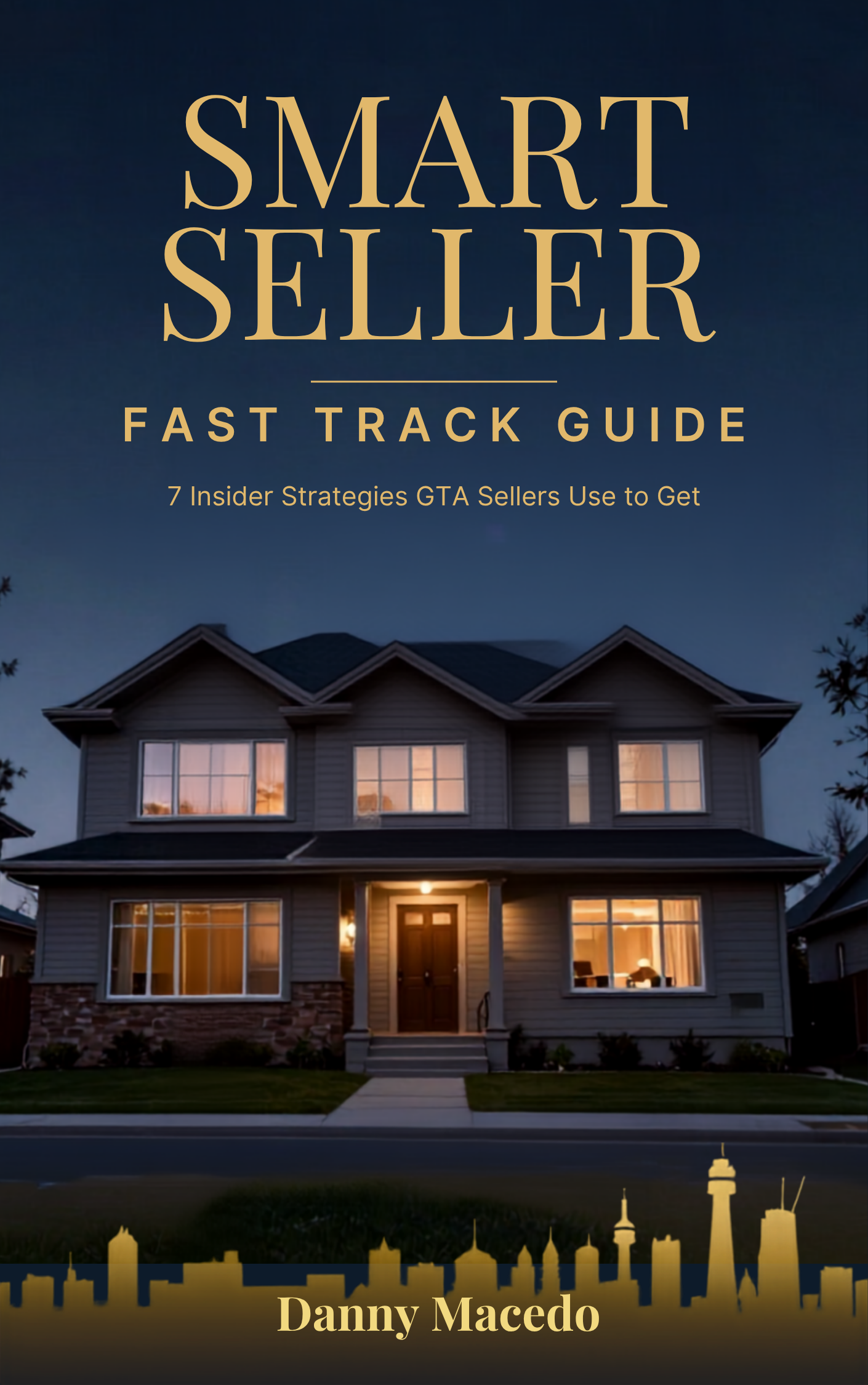
A MESSAGE FROM Danny Macedo
Why I Created This Guide
If you’re thinking about selling your home in the Greater Toronto Area, you already know this isn’t the market it was two years ago. Prices have shifted. Homes are taking longer to sell. Buyers have more choices and more negotiating power than they’ve had in years.
But here’s what most sellers don’t realize: the agents and homeowners who understand how to navigate this market are still getting exceptional results. They’re selling faster than average, closer to asking price, and often above what their neighbours got … because they follow a specific set of strategies that most sellers never learn.
After 30 years of selling real estate across the GTA … from luxury estates in King City to family homes across Toronto, I’ve distilled everything that separates the best outcomes from the average ones into this guide. These are the strategies my clients use. And now they’re yours.
Time Your Sale Using Market Momentum … Not Guesswork
Market Beyond the MLS … How Top Agents Create Demand
Your Pre-Listing Checklist




STILL NOT SURE?
Frequently Asked Questions
Understanding the process to selling a home in the Greater Toronto Area.
Question 1: How much is my home worth?
Your home’s value depends on recent comparable sales, current market conditions, location, property condition, upgrades, layout, and buyer demand. A professional home evaluation can help determine a realistic listing price.
Question 2: When is the best time to sell my home?
The best time depends on your goals, the local market, inventory levels, interest rates, and buyer activity. In many cases, the right pricing, preparation, and marketing strategy matter just as much as timing.
Question 3: What should I do before listing my home?
Before listing, it’s helpful to declutter, clean, complete minor repairs, improve curb appeal, and consider staging. These steps can help your home show better, attract more buyers, and potentially sell for a stronger price.
Question 4: How long will it take to sell my home?
The timeline depends on your property type, location, condition, price, and market demand. A well-priced and properly marketed home can generate stronger interest and help reduce time on the market.
TESTIMONIALS
What others are saying
"Service Above Expectations"
"We got out of our house and purchased a home in the community where we wanted to be. I know many people that haven’t had that kind of success. Thanks again for everything!"
- Annette Campagnaro

"Client Care Delivered"
"We were first-time buyers, and Danny Macedo made the whole process feel manageable, even exciting. Anytime we panicked or had questions, Danny or someone on his team got back to us fast, and they alwa ys took the time to explain our options."
- Jenny Roberts
"Trusted Guidance Given"
"Danny’s pricing guidance was spot-on, and he explained the neighborhood comps in a way that actually made sense, so we listed confidently. The best part was the negotiation, because he created momentum with multiple offers, pushed terms that protected us."
- Mike Groves

Royal LePage® Supreme Realty, Brokerage
110 Weston Road
Toronto, ON M6N 0A6
Call 416-535-8000
Text 647-931-5151


Copyright 2026. Macedo Real Estate Group, Danny Macedo, Sales Representative, Anthony Rocco Macedo, Sales Representative, Royal LePage Supreme Realty, Brokerage all rights reserved assumes no responsibility for the accuracy of any information shown. The information provided herein must only be used by consumers that have a bona fide interest in the purchase, sale or lease of real estate and may not be used for any commercial purpose or any other purpose.
Elite Broker Blogs
━━━━━━━━
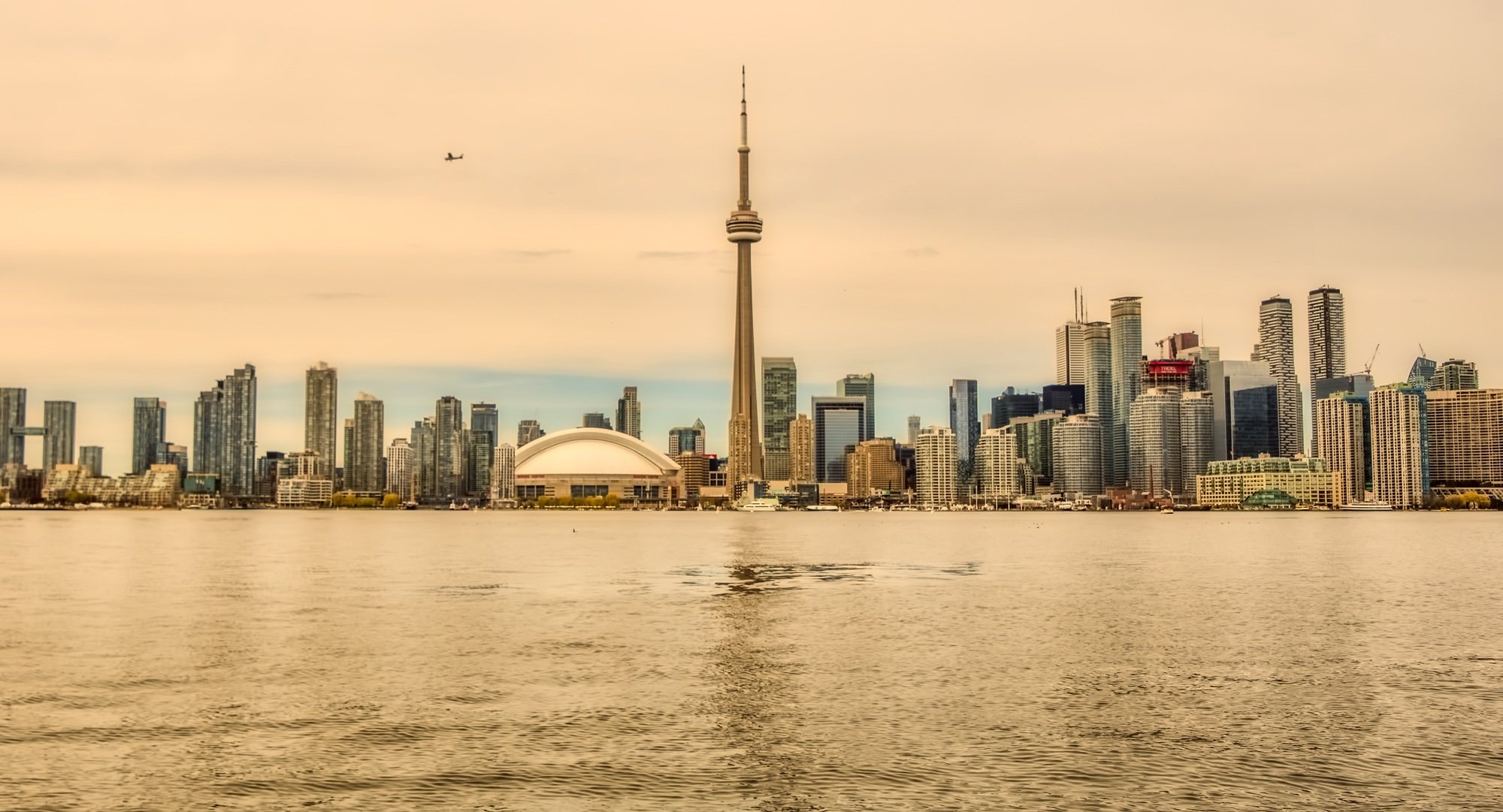
What Your First Winter in Toronto Costs and How to Prepare
If you are moving to Toronto from a warmer climate, or from somewhere that does not experience a proper Canadian winter, the cold is not the only thing that will cost you. Winter in Toronto comes with a set of expenses that people who have never lived through one simply do not plan for.
This is a practical guide to what your first winter will actually cost and what you should have in place before the temperature drops.
Clothing
You need a proper winter coat. Not a stylish jacket, not a layered arrangement of items you already own. A proper, insulated, wind-resistant coat rated to at least minus twenty Celsius. Toronto winters regularly dip below minus fifteen, and with wind chill, it feels considerably worse.
Budget roughly $300 to $600 for a good winter coat that will last several years. On top of that, you will need insulated waterproof boots ($150 to $300), thermal gloves ($30 to $80), a warm hat ($20 to $50), and a scarf or neck warmer ($20 to $40). If you commute on foot or by transit, add thermal base layers for roughly $60 to $120.
Total for a full winter wardrobe if you are starting from nothing: approximately $580 to $1,190. This is not an area to cut corners. Being cold in Toronto is not uncomfortable. It is dangerous.
Heating
If you are renting, check whether heat is included in your lease. Many older apartment buildings include heat, but most newer condominiums and all houses require you to pay separately. If you are buying, your heating costs depend on the type of system, the age of the home, and how well it is insulated.
For a detached house heated by natural gas, expect winter gas bills of $200 to $400 per month from December through March. Condominiums with electric baseboard heating can run $80 to $180 per month above your regular electricity costs during the same period. If heat is not included in your rent or condo fees, factor in $300 to $1,600 for the full winter season depending on your situation.
Keep the thermostat at a minimum of 16 to 18 degrees Celsius even when you are out. Pipes freeze in unheated spaces, and a burst pipe costs far more than the heating bill you were trying to save on.
Your Car
If you own a car, winter tires are not optional. Ontario does not mandate winter tires province-wide, but most insurance companies offer a discount for having them, and in practical terms, all-season tires on ice and packed snow are a liability. A set of four winter tires costs $400 to $1,000 depending on size, and seasonal changeover runs $60 to $120 at most shops. Many drivers buy a second set of rims to make changeovers faster and cheaper.
Beyond tires, budget for a snow brush and ice scraper ($15 to $25), windshield washer fluid rated to minus forty ($10 to $20 per jug, and you will go through several), and additional fuel costs. Cold engines use more fuel, and idling to warm up the car adds to the bill. Some homes require snow clearing for the driveway, which costs $300 to $700 for a seasonal contract with a plowing service, or the price of a decent snow shovel ($30 to $60) and your own time.
Home Maintenance
If you are in a house, winter maintenance is your responsibility. Salt or ice melt for walkways and driveways costs $30 to $80 for the season. If you have a long driveway or limited mobility, a snow blower ($400 to $1,200) or a seasonal plowing contract is worth the investment.
Weatherstripping for doors and windows is inexpensive ($20 to $60) and makes a noticeable difference to your heating bill. If you have an older home with single-pane windows, consider window insulation film kits ($10 to $30 per window) as a stopgap until you can replace them.
Your furnace filter should be changed every one to three months during the heating season. Filters cost $10 to $30 each. A furnace tune-up before winter is recommended and runs $100 to $200.
The Total Picture
For someone arriving with no winter gear and setting up a household for the first time, here is a rough range for the full winter season from November through March.
Winter clothing: $580 to $1,190. Heating (if not included): $300 to $1,600. Vehicle winterisation and maintenance: $500 to $1,200. Home maintenance supplies: $60 to $200. Furnace service: $100 to $200.
That puts the total somewhere between $1,540 and $4,390, depending on whether you are in a condo or a house, whether you drive, and how much gear you need to buy from scratch.
None of these figures are dramatic on their own. But if you have never budgeted for winter, the combined total can be a genuine surprise. Plan for it, and it is manageable. Ignore it, and your first December will feel more expensive than it needs to.
If you are planning a move to Toronto and want to understand the full cost picture, call Danny Macedo at 416-560-4983.