
SELLER RESOURCES
Free Home Seller Tools Practical tools to help GTA homesellers get
organized, compare properties, understand the market, and move forward with confidence.

A MESSAGE FROM Danny Macedo
Why I Created This Guide
If you’re thinking about selling your home in the Greater Toronto Area, you already know this isn’t the market it was two years ago. Prices have shifted. Homes are taking longer to sell. Buyers have more choices and more negotiating power than they’ve had in years.
But here’s what most sellers don’t realize: the agents and homeowners who understand how to navigate this market are still getting exceptional results. They’re selling faster than average, closer to asking price, and often above what their neighbours got … because they follow a specific set of strategies that most sellers never learn.
After 30 years of selling real estate across the GTA … from luxury estates in King City to family homes across Toronto, I’ve distilled everything that separates the best outcomes from the average ones into this guide. These are the strategies my clients use. And now they’re yours.
Time Your Sale Using Market Momentum … Not Guesswork
Market Beyond the MLS … How Top Agents Create Demand
Your Pre-Listing Checklist





STILL NOT SURE?
Frequently Asked Questions
Understanding the process to selling a home in the Greater Toronto Area.
Question 1: How much is my home worth?
Your home’s value depends on recent comparable sales, current market conditions, location, property condition, upgrades, layout, and buyer demand. A professional home evaluation can help determine a realistic listing price.
Question 2: When is the best time to sell my home?
The best time depends on your goals, the local market, inventory levels, interest rates, and buyer activity. In many cases, the right pricing, preparation, and marketing strategy matter just as much as timing.
Question 3: What should I do before listing my home?
Before listing, it’s helpful to declutter, clean, complete minor repairs, improve curb appeal, and consider staging. These steps can help your home show better, attract more buyers, and potentially sell for a stronger price.
Question 4: How long will it take to sell my home?
The timeline depends on your property type, location, condition, price, and market demand. A well-priced and properly marketed home can generate stronger interest and help reduce time on the market.
TESTIMONIALS
What others are saying
"Service Above Expectations"
"We got out of our house and purchased a home in the community where we wanted to be. I know many people that haven’t had that kind of success. Thanks again for everything!"
- Annette Campagnaro

"Client Care Delivered"
"We were first-time buyers, and Danny Macedo made the whole process feel manageable, even exciting. Anytime we panicked or had questions, Danny or someone on his team got back to us fast, and they alwa ys took the time to explain our options."
- Jenny Roberts
"Trusted Guidance Given"
"Danny’s pricing guidance was spot-on, and he explained the neighborhood comps in a way that actually made sense, so we listed confidently. The best part was the negotiation, because he created momentum with multiple offers, pushed terms that protected us."
- Mike Groves

Royal LePage® Supreme Realty, Brokerage
110 Weston Road
Toronto, ON M6N 0A6
Call 416-535-8000
Text 647-931-5151


Copyright 2026. Macedo Real Estate Group, Danny Macedo, Sales Representative, Anthony Rocco Macedo, Sales Representative, Royal LePage Supreme Realty, Brokerage all rights reserved assumes no responsibility for the accuracy of any information shown. The information provided herein must only be used by consumers that have a bona fide interest in the purchase, sale or lease of real estate and may not be used for any commercial purpose or any other purpose.
Elite Broker Blogs
━━━━━━━━
Five Questions to Ask Before You Pick a GTA Neighbourhood
The neighbourhood outlasts the house
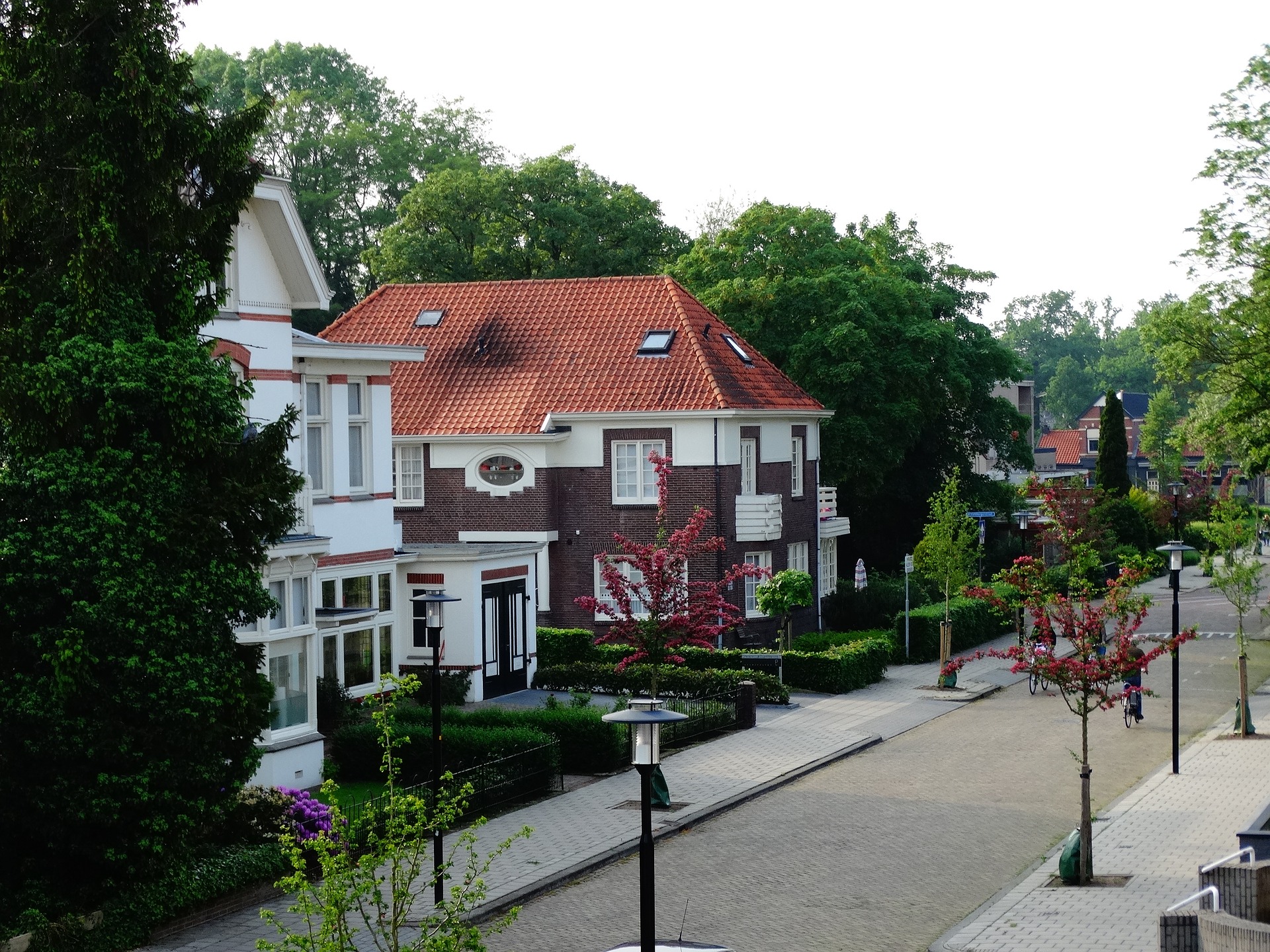
You can renovate a kitchen. You can replace a roof. You cannot move the house to a different street. The neighbourhood you choose is the one decision in a real estate purchase that is permanent, and it is the one most buyers spend the least structured time thinking about. They fall in love with a property and work backwards to convince themselves the location is fine. That sequence is the wrong way round.
Before you look at a single listing, ask yourself these five questions. The answers will narrow your search to the places that actually fit your life, and save you from discovering six months after closing that you made the wrong call.
What does your weekday morning look like?
Drive the commute. Not on a Saturday afternoon. On a Tuesday at 7:45 in the morning. The GTA is a large region, and the difference between a 25 minute commute and an 80 minute one is not a minor inconvenience. It is an hour of your life, every working day, that you will never get back.
If you work from home, the commute question changes but does not disappear. Think about the errands, the school run, the grocery shop. Where are the things you need every week, and how long does it take to reach them from the neighbourhoods you are considering? A quiet cul-de-sac ten minutes from a highway interchange is a different proposition from one that is forty minutes from the nearest supermarket.
What will the neighbourhood look like in five years?
Municipal planning documents are public. Every city and township in the GTA publishes an official plan, and most have secondary plans for areas earmarked for development. These documents will tell you whether the empty field behind the property you are considering is zoned for a park or a ten-storey condominium. They will tell you whether the two-lane road in front of the house is scheduled for widening. They will tell you whether a new transit line is planned for the corridor.
None of this information is hidden. It is on the municipal website. It takes thirty minutes to read. And it will tell you things that no listing, no agent, and no marketing brochure will volunteer.
Who are your neighbours going to be?
This is not about demographics. It is about the character of the street. Walk the neighbourhood at different times of day. Is it families? Retirees? Shift workers whose schedules mean noise at odd hours? Are the properties owner-occupied or largely rental? A street of well-kept owner-occupied homes behaves differently from one with a high turnover of tenants, not because tenants are worse neighbours, but because the sense of shared investment in the street is different.
Talk to people. Knock on a door. Introduce yourself and say you are considering buying in the area. Ask what they like about it and what they wish were different. Most people will tell you the truth, and the truth from a resident is worth more than anything you will find online.
What are the actual costs of living there?
The purchase price is the beginning. Property taxes vary significantly across the GTA. A detached home assessed at the same value will carry a different tax bill in Toronto than it will in Vaughan, Mississauga, or Brampton. Insurance premiums vary by location and by the age and construction of the property. Utility costs are higher in older homes with less insulation and older mechanical systems. If the property is a condominium, the maintenance fees are a fixed monthly obligation that can increase over time.
Before you make an offer, build a monthly budget that includes the mortgage payment, property tax, insurance, utilities, and any condominium fees. Then compare that number across the neighbourhoods on your list. A property that appears cheaper to buy may be more expensive to own, and it is the ownership cost that you live with every month.
Can you afford to leave?
Most people do not think about the exit when they are buying, but they should. How liquid is the market in this neighbourhood? What is the average time on market for properties like the one you are considering? If your circumstances change in three years, a job offer in another city, a growing family, a separation, how quickly can you sell and at what kind of price?
A neighbourhood with steady resale demand and a healthy turnover of transactions gives you flexibility. One that is dependent on a single employer, or where properties sit for months without interest, is a commitment that is harder to unwind.
In the GTA right now, homes are spending an average of 34 days on market from listing to a firm deal. That varies considerably by neighbourhood and property type, but it is a useful baseline. If the area you are looking at is consistently double or triple that number, ask why.
Source: TRREB Market Watch, September 2026.
If you are narrowing your search and want help comparing neighbourhoods in York Region, North York, or anywhere else in the GTA, call me at 416-560-4983. I will pull the numbers for each area and help you see what the data says alongside what the streets feel like in person.